In the competitive landscape of the Pvc Aluminum Cable industry, selecting the right supplier is crucial. With numerous options available, it can be overwhelming to make an informed decision. As industry expert Dr. Jason Li states, "Understanding the quality and specifications of Pvc Aluminum Cable is essential for long-term success." His insight emphasizes the importance of reliability and performance in cable selection.
China stands out as a hub for Pvc Aluminum Cable manufacturing. The products are known for their durability and efficiency. However, not all suppliers guarantee the same level of quality. This gap highlights the need for thorough research. It requires understanding the nuances of each supplier's offerings. Buyers must weigh factors like pricing and customer support carefully.
Many suppliers offer attractive deals, but it’s essential to dig deeper. Quality should never be compromised for cost savings. A careful approach can help avoid future issues. The goal should be a sustainable partnership that ensures consistent supply and high standards. It's time to explore the top ten suppliers that can elevate your business.
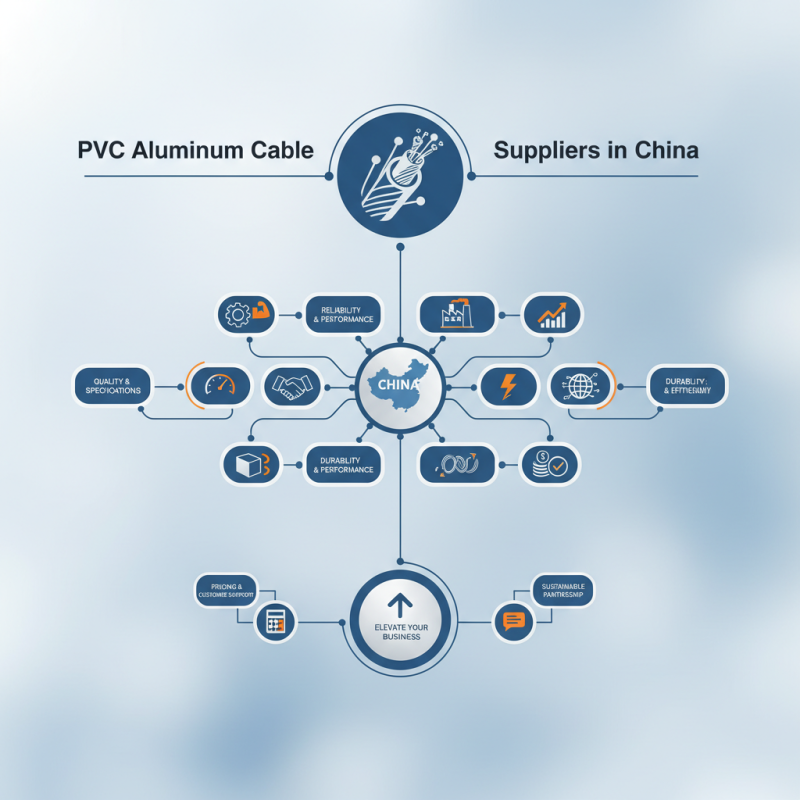
When considering PVC aluminum cable suppliers in China, it's essential to understand the market landscape. With a vast number of manufacturers, selection can be overwhelming. Many companies claim to excel, but only a few meet international quality standards. Research is crucial.
Understanding the strengths and weaknesses of suppliers can enhance decision-making. Quality control processes may vary significantly. Some manufacturers invest heavily in technology and employee training, while others may cut costs, risking safety and reliability. Customers should scrutinize certifications and past projects before committing.
Communication plays a vital role during negotiations. Clear expectations can prevent misunderstandings. Many suppliers may promise rapid delivery and low costs, but understanding their production capacity is necessary. It’s important to assess both their credentials and their transparency. This ensures you partner with reliable companies that prioritize quality and consistency in their PVC aluminum cable offerings.
The PVC aluminum cable market is witnessing significant changes driven by manufacturing innovations and rising demand. According to a recent industry report, the demand for PVC aluminum cables is expected to grow at a compound annual growth rate (CAGR) of 5.2% from 2023 to 2030. This growth is fueled by the increasing application of PVC aluminum cables in construction, automotive, and telecommunication sectors. As urbanization progresses, the need for reliable electrical infrastructure rises.
Production trends indicate a shift towards more sustainable practices. Manufacturers are investing in eco-friendly materials and processes. Despite this shift, challenges remain. Industry players must navigate fluctuating raw material prices and ensure high-quality production. Reports show that around 25% of manufacturers face quality control issues, which can impact their market standing.
Market dynamics also reveal regional variations. China's manufacturing capabilities are robust, yet there is a competitive landscape with emerging companies. Notably, 35% of existing suppliers are expanding their operations to meet global demand. Adapting to these trends is crucial. Suppliers need to address quality concerns while meeting consumers' rising expectations for sustainability and performance. The road ahead requires a balance of innovation and quality assurance.
The PVC aluminum cable sector is experiencing significant growth. Several factors are driving this trend. An increase in construction projects has raised the demand for lightweight and flexible cables. In 2022, the global PVC aluminum cable market was valued at approximately $8.2 billion, with projections indicating a compound annual growth rate (CAGR) of 5.6% through 2028. This expansion reflects the industry's adaptability and resilience.
Technological advancements are also reshaping the market. The development of more efficient manufacturing processes reduces costs and improves product quality. For instance, innovations in polymer technology have led to enhanced flexibility and thermal resistance in cables. However, the industry faces challenges, including fluctuating raw material prices. These issues can impact profit margins and lead to volatility.
Sustainability considerations are becoming increasingly important. Manufacturers are urged to adopt eco-friendly practices. This trend urges companies to rethink their production processes. The integration of recycling initiatives could reshape how PVC aluminum materials are handled. A shift toward sustainable practices might appeal to environmentally conscious consumers. Yet, the implementation of such changes poses significant logistical and financial challenges.
When evaluating PVC aluminum cable suppliers in China, it's crucial to look beyond just prices. Each supplier brings unique strengths and weaknesses in their product offerings. Diversity in insulation materials, conductor sizes, and application suitability can significantly impact performance.
Some suppliers excel in providing high-temperature resistant cables, essential for harsh environments. Others focus on flexibility and ease of installation, which appeal to specific industries. However, not all suppliers maintain consistent quality across their product lines. It is necessary to evaluate production standards and certifications to ensure reliability.
Supplier reputation often reflects customer service and responsiveness. Engaging with suppliers can reveal insights about their after-sales support. Many buyers overlook this aspect, focusing solely on technical specifications. Understanding a supplier's track record can guide your decision-making process.
This comparative analysis can help identify which supplier aligns best with your project needs. The landscape is competitive, yet some organizations may still lack in transparency or adaptability.
The PVC aluminum cable industry is evolving rapidly. Innovations are emerging all the time. Manufacturers are focusing on enhancing the durability and flexibility of their products. These improvements lead to cables that not only perform better but also meet strict environmental standards.
Sustainability is a key consideration. More companies are using recycled materials in production. This shift can reduce waste significantly. However, challenges still exist. Not all suppliers are equipped to handle these changes effectively. Some struggle with integrating advanced technologies into their processes.
Market demand is likely to grow. With increasing infrastructure projects, the need for reliable cables will rise. This presents a great opportunity for suppliers. They must adapt or risk falling behind. Innovations like smart cables that monitor conditions in real-time might become standard. The industry must continue to innovate to stay relevant.
: Increased applications in construction, automotive, and telecommunication sectors are driving demand. Urbanization also plays a role.
The demand is projected to grow at a CAGR of 5.2% from 2023 to 2030.
Yes, many manufacturers are investing in eco-friendly materials. However, challenges in quality control remain.
About 25% of manufacturers report quality control problems that can affect their market standing.
Some suppliers are expanding operations to meet global demand and addressing quality concerns.
Innovations focus on enhancing durability and flexibility, including smart cables that monitor conditions in real-time.
More companies are adopting recycled materials to reduce waste, but not all suppliers can manage this change.
Some manufacturers struggle to effectively integrate advanced technologies into their production processes.
The increasing number of infrastructure projects presents an opportunity for suppliers to adapt and grow.
Yes, particularly in China, where many suppliers are expanding their capabilities to keep up with demand.
The article "Top 10 PVC Aluminum Cable Suppliers in China Are You Ready?" provides a comprehensive look at the current landscape of the PVC Aluminum Cable sector in China. It offers an overview of the leading suppliers, highlighting market trends that influence production and demand for PVC Aluminum Cable. Key factors such as technological advancements, increased construction activities, and growing energy needs are driving growth in this sector.
Furthermore, the article presents a comparative analysis of the product offerings from top suppliers, focusing on their unique features and innovations. Looking ahead, the PVC Aluminum Cable industry is poised for continued evolution, with prospects for enhanced performance and sustainability in product design, ensuring that suppliers remain competitive in a rapidly changing market.
Laurence