When selecting the right Concentric Aluminum Cable for specific applications, expert opinions matter. John Smith, a renowned electrical engineer, emphasizes, "Choosing the right cable is essential for safety and efficiency." His insights guide us in making informed choices.
Concentric Aluminum Cables, known for their reliability and flexibility, are used in various industries. Their design enhances conductivity while ensuring durability, making them an ideal choice for overhead and underground power distribution systems. However, not all cables are created equal. Understanding the specifications and correctly assessing your needs is crucial.
Experts often highlight the importance of quality. Low-quality cables can lead to failures and safety hazards. You might save money initially, but the long-term costs can be significant. Investing time in research can pay off. Make sure to consider factors such as the environment and installation conditions. The right choice should provide a balance between cost and performance. Reflecting on your options can prevent future issues.
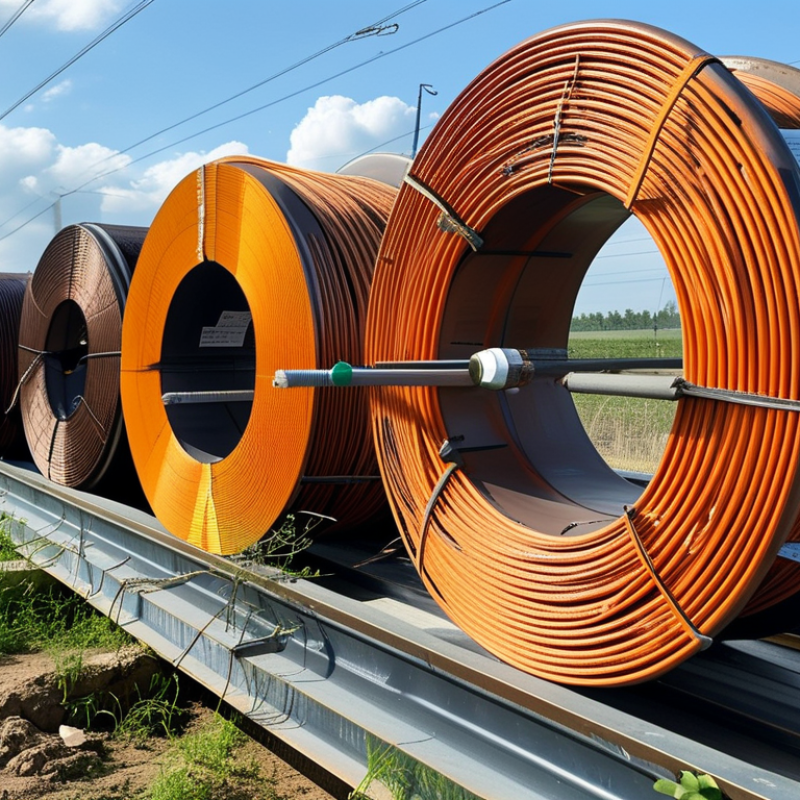
Concentric aluminum cable stands out due to its unique design and functionality. This cable consists of several layers of aluminum conductors, providing excellent electrical conductivity. The arrangement enhances flexibility and reduces the risk of damage during installation. Its lightweight nature makes it ideal for overhead power lines, minimizing the load on poles and structures. However, this feature also raises concerns about its durability in harsh weather conditions.
Another significant benefit is its resistance to corrosion. Aluminum naturally oxidizes, forming a protective layer that can withstand environmental stressors. This aspect is crucial for areas with high humidity or saline conditions. Still, prospective users should assess their local environment carefully. Not all concentric cables are created equal; quality may vary depending on the manufacturer. Consider examining certifications or compliance with industry standards before making a choice.
Cost-effectiveness adds to the appeal of concentric aluminum cable. It often provides a more affordable alternative compared to copper cables while maintaining good performance. However, potential buyers must weigh initial savings against long-term reliability. An informed decision will lead to optimal performance and longevity, ensuring the investment meets specific needs and conditions.
This chart illustrates the importance ratings of various features to consider when choosing concentric aluminum cable. Conductivity and corrosion resistance are the top priorities for most applications, while cost holds a slightly lesser importance.
When choosing concentric aluminum cable, start with assessing your power requirements. Begin by calculating your load. What devices will you power? Understanding the full load helps guide your cable selection. Use an ammeter to measure current. This tool is essential for accurate readings.
Specifications matter as well. Consider voltage drop. It impacts performance and efficiency. A smaller gauge cable might suffice, but longer runs need careful consideration. If you overlook this, you may face inefficiencies. Don’t forget environmental factors. Temperature and exposure to elements can affect cable integrity.
Choosing the right cable is an art, not a science. It requires balance. You must weigh your needs against potential future demands. Sometimes, you might miscalculate. Adjusting your plan later can be costly. Stay informed and seek advice when necessary. Reliable sources and community insights can help guide your choices.
When selecting concentric aluminum cables, environmental conditions play a crucial role in cable performance. Factors such as temperature, humidity, and exposure to chemicals can significantly influence longevity and functionality. For instance, data from the International Electrotechnical Commission (IEC) suggests that extreme temperatures can reduce a cable’s lifespan by 20-30%. This highlights the need for thorough evaluation before making a choice.
Humidity is another factor. High moisture levels can lead to corrosion, especially if the cable lacks proper insulation. A report from the Institute of Electrical and Electronics Engineers (IEEE) indicates that cables exposed to high humidity can experience up to a 15% decrease in conductivity. It's essential to consider insulation materials that offer resistance to moisture to combat this issue. Additionally, cables installed in industrial environments often face exposure to various chemicals that can degrade their materials.
It's also worth noting that some cables may not perform as expected under specific environmental conditions. Overreliance on standard specifications can be misleading. Real-world conditions often differ from controlled environments. Testing cables under anticipated conditions can provide more reliable data. When selecting cables, consider these environmental factors to enhance performance and ensure safe operation.
When selecting concentric aluminum cables, cost and quality are crucial factors. The market often presents a wide range of options, leading to confusion. A recent industry report indicates that while cheaper cables can save initial costs, they may lack durability. In fact, lower quality aluminum cables can lead to increased maintenance expenses over time. Choosing a cost-effective option without sacrificing quality is essential for long-term efficiency.
Understanding the trade-offs between budget considerations and the quality of cables is vital. Investing in higher-quality cables might seem daunting. However, a comprehensive analysis suggests that quality cables can lead to reduced lifecycle costs by up to 30%. For instance, robust concentric aluminum cables can withstand environmental stressors significantly better, decreasing the chances of failure. It's crucial to consider these factors to avoid unexpected costs down the road.
Evaluation of cost versus quality can be complex. A lower upfront price might mask potential risks. For example, cables that do not meet industry standards may lead to safety hazards or inefficient performance. It is worth consulting with industry professionals or accessing detailed technical specifications to make informed decisions. Balancing initial costs and long-term value is not always straightforward, yet it’s necessary for ensuring safety and efficiency.
When working with concentric aluminum cable, installation plays a vital role in ensuring performance and longevity. One key consideration is cable routing. Properly planning the cable path minimizes bends and sharp turns. This reduces stress on the cable and enhances its durability.
Pay attention to the environment where the cable will be installed. Moisture and extreme temperatures can impact performance. Choose appropriate insulation that withstands local conditions. Using protective conduits can further shield the cable from physical damage.
Tips are essential for installation success. Always refer to installation guidelines provided by your supplier. Correct termination methods must be used to avoid potential failures. Proper tools and techniques ensure reliable connections and minimize risks. Don't rush your work; take time to check every connection carefully. Familiarizing yourself with common mistakes can also improve outcomes. Having an installation checklist might help you stay organized and cautious during the process.
: Start by assessing your power requirements and calculating your load.
Voltage drop affects performance and efficiency, especially over longer runs.
Factors like temperature and humidity can reduce lifespan and conductivity significantly.
Ignoring temperature can lead to a 20-30% reduction in cable lifespan.
Choose cables with proper insulation that resists moisture for better durability.
Proper cable routing and minimizing bends enhance durability and performance.
Following guidelines ensures correct termination methods and reliable connections.
Rushing connections or overlooking checks can lead to potential failures.
Real conditions often differ from controlled environments, affecting performance.
Using an installation checklist can help you stay cautious and focused.
When selecting Concentric Aluminum Cable for your needs, it's essential to understand its key features and benefits, such as lightweight construction and excellent conductivity. To tailor your choice effectively, begin by assessing your power requirements through thorough load calculations and specifications, ensuring the cable can support your specific applications.
Environmental conditions also play a critical role in cable performance; factors like temperature, humidity, and exposure to chemicals should influence your decision. Additionally, it's important to weigh the cost against quality, exploring budget considerations to find the best option that meets your performance expectations. Lastly, adhere to best practices during installation to maximize the efficiency and longevity of your Concentric Aluminum Cable, ensuring optimal functionality in your electrical systems.

Laurence