Choosing the right armoured electrical cable can be daunting. Industry expert Mark Thompson, who has over 20 years of experience in electrical installations, states, “The right cable can make all the difference in reliability and safety.” Selecting an armoured electrical cable is crucial for both residential and industrial applications.
Armoured electrical cables offer protection against physical damage and environmental factors. They are often used in demanding situations. However, not all cables are created equal. Understanding the specific requirements of your project is essential. Is it indoors or outdoors? Will it be exposed to moisture or chemicals? These factors will dictate your choice.
Moreover, one must consider the installation environment. Unlike standard cables, armoured types require a thoughtful selection process. Mistakes can lead to costly repairs and hazards. Reflecting on past projects, many professionals have learned the hard way. Selecting the correct armoured electrical cable is more than just a choice; it’s a commitment to safety and efficiency.
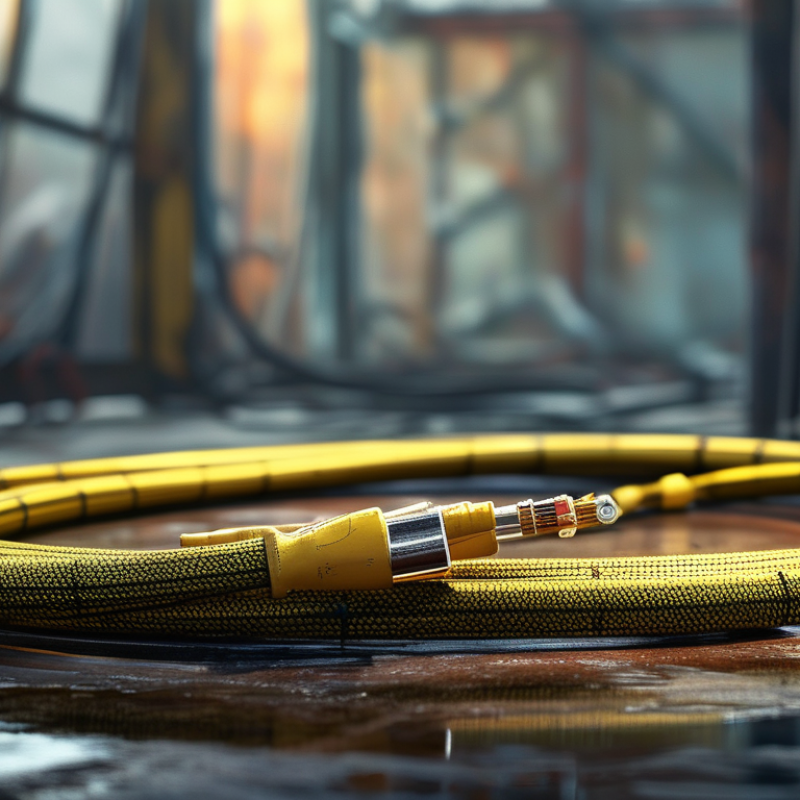
Understanding the Different Types of Armoured Electrical Cables
Choosing the right armoured electrical cable is crucial for various applications. Different types of armoured cables can handle varying conditions and loads. Generally, these cables are defined by their insulation, armouring, and outer sheath material. Understanding these elements helps in making an informed choice.
Steel wire armoured (SWA) cables are widely used in industrial settings. They provide excellent protection against physical damage and moisture. In contrast, aluminium armoured cables are lighter and often used for overhead installations. Their flexibility makes them easier to handle. However, both types may differ in their electrical properties, affecting performance.
Some installations demand fire-resistance cables. These are designed to maintain circuit integrity in a fire. Yet, they may come with higher costs. Factors such as environment, load capacity, and installation location also matter. Selecting the right cable may not always be straightforward. Reflecting on specific needs can lead to better decisions.
Key Factors to Consider When Choosing Armoured Electrical Cables
Choosing the right armoured electrical cable involves several key factors. Start by considering the environment where the cable will be installed. Is it exposed to moisture, chemicals, or extreme temperatures? Different materials provide various levels of protection. PVC and steel sheaths offer sturdy options for tough conditions, while a flexible design may suit tighter spaces.
Next, assess the cable's voltage rating. Ensure it can handle the electrical load without overheating. Overestimating your needs might lead to unnecessary costs. Conversely, underestimating can create safety hazards. You should also think about the installation process. Will it be buried underground or run along walls? Each scenario may require a different cable type.
Don't overlook the importance of compliance with local electrical codes. Each region has specific regulations. This factor drives the choice of insulation and screening levels. Also, reflect on the longevity of the cable materials. Cheaper options may save money upfront, but they might not last as long. Weighing short-term savings against long-term performance can be a difficult but necessary decision.
Selection of Armoured Electrical Cables Based on Key Factors
This bar chart illustrates the importance level of various factors to consider when selecting armoured electrical cables. Mechanical resistance and electrical insulation are rated the highest, indicating they are crucial in decision-making.
Assessing the Environment for Proper Cable Selection
When selecting the right armoured electrical cable, the environment plays a critical role. Understanding the specific conditions where the cable will be used is vital for making an informed choice. For instance, cables exposed to moisture require certain insulation materials to prevent degradation. A report from the National Electrical Manufacturers Association (NEMA) indicates that environmental factors account for approximately 30% of cable failures. Therefore, assessing these factors can enhance reliability.
Temperature extremes can impact a cable's performance. Cables used in high-heat areas should have heat-resistant features. Similarly, in colder climates, flexibility becomes crucial, as materials can become brittle. A study by the International Electrotechnical Commission (IEC) suggests that cables operating outside of their specified thermal range can lead to failures. Therefore, evaluating these conditions before selecting a cable is essential.
Physical hazards, such as exposure to chemicals or mechanical stress, must also be considered. The cable's outer layer must withstand these potential threats to ensure longevity. Recognizing any potential limitations in available options can lead to better decision-making. It's not just about meeting basic requirements; it’s about understanding the nuances of your environment to secure optimal performance.
Compliance with Industry Standards and Regulations
Selecting the right armoured electrical cable requires compliance with industry standards and regulations. The right cable protects against environmental factors and mechanical damage. Regulations ensure safety and performance, reducing the risk of electrical failures. Each region may have specific guidelines that professionals must follow. These standards help in understanding what type of cable suits your needs best.
When choosing a cable, consider the applicable standards. Look for certifications that indicate compliance. They signify that the cable has undergone rigorous testing. Ignoring these certifications can lead to serious hazards. Not all cables are made equal. Some may not adhere to critical safety requirements.
Reflecting on the choices made in selecting cables is crucial. What might seem adequate today could become a problem tomorrow. Assess your environment and expected cable lifespan. Is there a potential for wear and tear? Understanding these factors leads to better decisions. It may require more initial research, but ensuring compliance pays off in the long run.
Evaluating Cost and Quality Trade-offs in Cable Choices
When selecting armored electrical cables, evaluating cost and quality is crucial. Reports indicate that around 75% of projects face budget overruns due to improper material choices. While cheaper options may initially seem enticing, they often result in higher long-term costs. A study by the International Electrotechnical Commission (IEC) highlights that subpar materials can lead to increased maintenance and replacement expenses.
Additionally, the quality of the cable impacts safety. Inferior materials may not withstand environmental factors, leading to potential hazards. According to an industry report, nearly 60% of electrical failures stem from cable degradation. Investing in high-quality armored cables can reduce risks significantly. However, it's essential to balance cost with performance. A more expensive cable might offer better insulation and durability, translating to fewer failures over time.
Reflect on the long-term implications of your choices. Are you prioritizing upfront savings over reliability? Many professionals emphasize understanding the specific needs for your installation. This insight is invaluable. Take time to research different materials and their properties. Make informed decisions that account for both immediate budget and future sustainability.
Conclusion
Selecting the right Armoured Electrical Cable involves understanding the various types available and evaluating key factors to meet specific requirements. It is essential to assess the installation environment, as different conditions necessitate different cable features, such as resistance to moisture, mechanical impact, or chemical exposure.
Furthermore, compliance with industry standards and regulations is crucial to ensure safety and performance. When making a choice, one should also consider the balance between cost and quality, as investing in a higher quality cable can lead to better longevity and reliability. By carefully considering these aspects, one can determine the most suitable Armoured Electrical Cable for their needs, thereby ensuring effective and safe electrical installations.

 Laurence