When considering electrical projects, the choice of materials is crucial. Insulated wire stands out as a reliable option. Renowned electrical engineer John Smith once said, "Using insulated wire is essential for safety and efficiency in every electrical application." This sentiment resonates throughout the industry.
Insulated wire offers protection against electrical shock and short circuits. It minimizes the risk of fire hazards. In many cases, improper choices can lead to failures. Not every wire is suitable for every job. Insulation can withstand heat and moisture, which makes it versatile.
However, not all insulated wires are created equal. Each project has unique requirements. Selection should be based on specific environmental conditions and safety standards. It's easy to overlook these details, but they can make or break a project. In the world of electrical work, ignorance is not bliss. Prioritizing quality insulated wire is vital for long-lasting results.
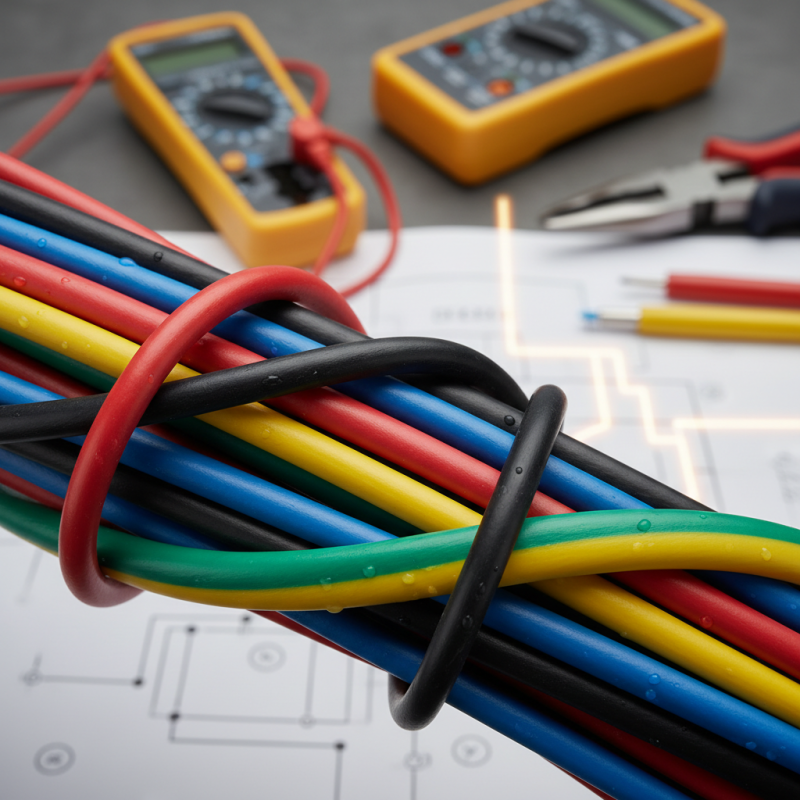
Understanding the Basics of Insulated Wire and Its Types
Insulated wire is essential in electrical projects. It is designed to prevent electricity from escaping. This helps ensure safety and efficiency. The basic types of insulated wire include PVC, rubber, and Teflon. Each type serves unique applications and environments.
PVC insulation is common in residential wiring. It is cost-effective and easy to work with. However, its performance can decline in extreme temperatures.
Rubber insulation offers flexibility and withstands moisture well. It’s great for outdoor use but may wear out faster than other types.
Teflon insulated wires shine in high-temperature scenarios. They resist chemicals and have excellent durability, but they can be more expensive.
Choosing the right insulated wire is crucial. Understanding the specific requirements of your project helps. Sometimes, people overlook the importance of insulation type. This can lead to unexpected problems like electrical shorts or overheating. Always consider the environment and application when selecting wire. It’s not just about meeting the minimum standards; it’s about ensuring long-lasting performance and safety.
Comparative Analysis: Insulated Wire vs. Non-Insulated Wire Advantages
When choosing wires for electrical projects, insulation makes a significant difference. Insulated wires provide better safety and performance. They are designed to prevent conductivity between wires and surrounding materials. A report by the National Electrical Manufacturers Association (NEMA) shows that insulated wires reduce short circuits by nearly 50%. This statistic highlights the reduced risks associated with insulation.
On the other hand, non-insulated wires can be cost-effective. They may perform well in controlled environments, where external factors are minimal. However, they expose users to potential hazards. Without insulation, wires can become damaged easily, resulting in circuit failures. According to a recent IEEE study, over 30% of electrical failures stem from improper insulation. This can lead to costly repairs and downtime.
Insulated wire offers distinct advantages in durability and safety. It withstands temperature fluctuations and physical stress better than non-insulated varieties. However, it is essential to choose the correct type of insulation for your specific application. Considering the application environment is crucial. Sometimes, specialized insulation may be needed to withstand extreme conditions. Balancing cost and performance benefits is challenging but necessary for a successful project.
Why Choose Insulated Wire for Your Electrical Projects?
This chart illustrates the comparative advantages of using insulated wire versus non-insulated wire for electrical projects. The data indicates that insulated wire provides significantly more benefits in safety and performance, with an advantage rating of 80% compared to 50% for non-insulated wire.
Key Benefits of Using Insulated Wire in Electrical Safety and Code Compliance
Insulated wire plays a crucial role in ensuring electrical safety and meeting code compliance. According to the National Fire Protection Association (NFPA), almost 19% of electrical fires are caused by faulty wiring. This alarming statistic emphasizes the need for quality materials, like insulated wire, that not only protect against electrical shock but also reduce fire hazards.
When insulated wire is used, it acts as a barrier between the conductor and the environment. This prevents accidental contact and potential injuries. The National Electrical Code (NEC) stipulates specific requirements for insulated conductors. Adhering to these guidelines is essential for safety and legal compliance in any electrical project.
Proper insulation can withstand higher temperatures, reducing the risk of failure over time.
However, not all insulated wires are created equal. Varied insulation materials come with their strengths and weaknesses. Some may degrade under certain conditions. It's essential to select the appropriate type based on your project's demands. This attention to detail reflects a commitment to quality and safety in electrical work. Understanding material properties enhances project success, yet many overlook this critical aspect.
Industry Standards: How Insulated Wire Reduces Risks of Electrical Failures
Insulated wire is crucial for electrical projects. It plays a vital role in reducing risks associated with electrical failures. When wires are properly insulated, they offer significant protection against short circuits and electrical shocks. The insulation acts as a barrier, preventing unintended contact with conductive materials. This safety feature is essential in both residential and commercial applications.
Industry standards recommend the use of insulated wire in various installations. Adhering to these guidelines helps mitigate potential hazards. For example, in wet environments, insulation is necessary to prevent moisture intrusion. Moisture can degrade wire performance, leading to serious failures. Without proper insulation, the likelihood of electrical fires increases. Although some may overlook these standards, they are critical for safety.
It's important to stay informed about insulation materials and their properties. Not all insulated wires are created equal. Some may not withstand high temperatures or harsh chemicals. Choosing the right type requires careful consideration and knowledge. Missteps can lead to costly repairs and safety issues. A thorough understanding of insulation types ensures reliability in any electrical project.
Cost-Benefit Analysis: Long-Term Savings with Insulated Wire Usage
Insulated wire is a smart choice for your electrical projects. The cost-benefit analysis reveals significant long-term savings when using insulated wire. This type can reduce energy loss and improve overall system efficiency. Over time, lower energy bills can outweigh the initial investment. In addition, insulated wire mitigates the risk of electrical fires. Safety should always be a priority in any electrical project.
Tip: Invest in quality insulated wire. Cheaper options may lead to higher replacement costs later. Assessing the environment where the wire will be installed is crucial. Different conditions require different insulation types. Consider how moisture, heat, or chemicals may affect the wire's performance.
Using insulated wire can also extend the lifespan of your electrical systems. Regular maintenance ensures that the wiring remains effective. Always check for wear and tear. Sometimes you may find degradation that needs attention. Remember, proactive measures can save you from costly repairs down the line.
FAQS
: Insulated wire improves safety and performance by preventing unwanted conductivity.
Insulated wires can reduce electrical failures caused by short circuits by nearly 50%.
Non-insulated wires may be cheaper but increase risk and potential damage.
Extreme temperatures and physical stress can impact the effectiveness of wires significantly.
Insulated wires provide a barrier that reduces the risk of accidental contact and fires.
No, different insulation materials vary in quality and durability under certain conditions.
Choosing the correct insulation ensures safety and compliance with electrical codes.
Improper insulation can lead to electrical failures, costly repairs, and safety violations.
Assess the project's specific needs to find a balance between cost and safety features.
Yes, many overlook critical wiring details, risking safety and project success.
Conclusion
Insulated wire is crucial for electrical projects due to its protective characteristics and adherence to safety standards. Understanding the different types of insulated wire helps in selecting the appropriate type for specific applications. When compared to non-insulated wire, insulated wire offers distinct advantages such as enhanced safety and compliance with electrical codes, dramatically reducing risks associated with electrical failures.
Moreover, the long-term cost-benefit analysis reveals that investing in insulated wire can lead to significant savings over time, as it minimizes maintenance costs and prevents potential hazards. As industries mandate the use of insulated wire to ensure safety and reliability, understanding its benefits becomes increasingly important for anyone involved in electrical work.

 Laurence