Why Choose Copper Cable for Your Business Needs?

Time:2026-06-27 Author:Isabella
0%

In the realm of telecommunications, the choice of materials has a profound impact on performance and reliability. Copper cable has been a staple in the industry for decades. A recent report by the International Telecommunication Union reveals that over 70% of commercial networks still rely on copper infrastructure. This dependency highlights its crucial role.

Industry expert Dr. Emily Carter notes, "Copper cable offers unmatched durability and speed for most business applications." This statement underscores why many businesses opt for copper solutions, despite the rise of fiber optics. The physical properties of copper allow for efficient signal transmission, making it a viable option for various setup demands.

However, it’s important to reflect on potential downsides. While copper cables are prevalent, they may experience signal degradation over long distances. Maintenance can also become a concern if not regularly monitored. Hence, businesses must weigh these factors when choosing copper cable for their needs, ensuring that they are making informed decisions based on both benefits and challenges.
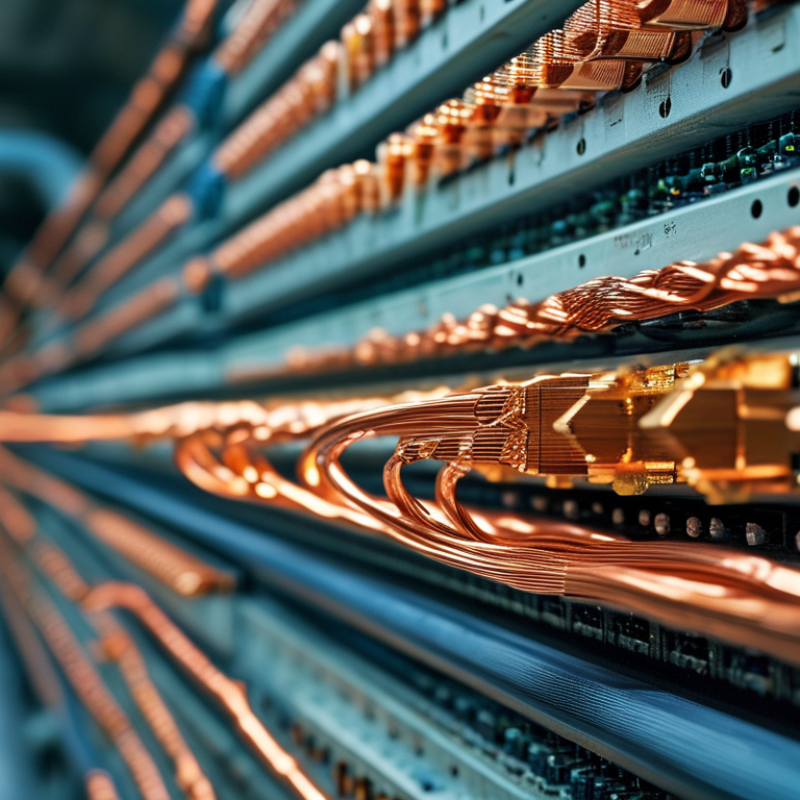
Why Choose Copper Cable for Your Business Needs?

Benefits of Using Copper Cable in Business Infrastructure

When it comes to business infrastructure, copper cable stands out for several reasons. Its excellent conductivity ensures that data transmission remains swift and reliable. Businesses often rely on quick communication. Copper meets this need effectively, minimizing downtime.

Moreover, copper cables are highly durable. They can withstand environmental stress. This durability reduces the need for frequent replacements, saving costs in the long run. However, some businesses may overlook initial installation costs. These can be higher than alternatives, leading to a tough decision at the outset.

Additionally, copper is more than just reliable. It offers better resistance to signal interference than many other types of cables. This signal integrity is crucial in a busy office where multiple devices are connected. Nonetheless, it’s essential to consider specific needs before choosing copper. Ensuring long-term value can sometimes be challenging, requiring careful analysis.

Key Characteristics of Copper Cables for Commercial Applications

Copper cables have distinct advantages that make them a preferred choice for business applications. Their excellent conductivity ensures high-speed data transmission with minimal loss. According to industry reports, copper cables can support up to 10 Gbps speeds over distances of 100 meters. This capability is essential for businesses relying on rapid data exchange.

Additionally, copper cables are relatively low in cost compared to fiber optics. For many organizations, budget constraints are a significant consideration. A study by the International Data Corporation (IDC) highlights that implementing copper wiring can reduce initial setup costs by about 30%. These savings can be crucial for startups or small enterprises looking to optimize their technology investments.

Copper cables are also durable and resistant to environmental factors. They can maintain performance in various conditions, unlike fiber optics that require careful handling. However, the trade-off includes susceptibility to electromagnetic interference (EMI). Businesses need to assess their work environment carefully. Balancing the benefits with potential drawbacks is vital for making informed decisions.

Comparative Analysis: Copper Cable vs. Other Cable Types

When considering cable options, copper cables stand out in several critical areas. Compared to fiber optic cables, copper wires offer a more affordable upfront cost and ease of installation. Businesses can save money during the initial setup. However, copper does have limitations. It is more susceptible to interference and signal degradation over long distances.

In contrast, fiber optics provide faster speeds and are less prone to signal loss. For businesses that require high bandwidth, fiber is often the better choice. But the costs and complexities associated with fiber installations can deter smaller companies.

Tips for Choosing Cables:
1. Assess your business needs. Determine if you need high-speed connections over long distances.
2. Consider the environment. If interference is a concern, fiber optics may perform better.
3. Evaluate future scalability. Copper may suffice now, but fiber could be more relevant as growth occurs.

Every choice has its trade-offs. It's essential to weigh the pros and cons of each type carefully, keeping your business's specific requirements in mind.

Why Choose Copper Cable for Your Business Needs? - Comparative Analysis: Copper Cable vs. Other Cable Types

Cable Type Cost per Meter Data Transfer Speed (Mbps) Max Distance (Meters) Resistance to Interference Durability
Copper Cable $0.50 1000 100 Moderate Good
Fiber Optic $1.50 10000 5000 High Excellent
Coaxial Cable $0.75 500 100 Moderate Good
Cat 6 Cable $0.90 1000 55 Low Good

Cost-Effectiveness of Copper Cables for Long-Term Investment

When considering long-term investments, copper cables stand out as a cost-effective solution. Their durability offers significant savings over time. Unlike some alternatives, copper does not degrade quickly under various environmental conditions. This longevity can result in reduced maintenance and replacement costs.

Moreover, copper cables exhibit superior conductivity. This means they can efficiently carry signals over longer distances without substantial signal loss. Businesses can save on energy bills and improve overall performance. It is essential to evaluate the initial installation costs versus long-term benefits.

However, it is vital to acknowledge the fluctuating prices of copper. Market trends can impact expenses unexpectedly. Companies should monitor market conditions closely. Despite this variability, the reliable performance and long lifespan of copper cables often justify the investment. Copper cables can be seen as a prudent choice, but careful consideration is necessary before finalizing decisions.

Applications of Copper Cables Across Various Industries

Copper cables are widely used across various industries due to their excellent electrical conductivity and durability. In telecommunications, copper cables support high-speed data transmission. Reports indicate that copper remains a popular choice, making up 60% of the global market for electrical wiring. In construction, they are essential for wiring and power distribution systems, ensuring reliability and safety.

In the manufacturing sector, copper cables are vital for machinery and automation equipment. Their resistance to corrosion and flexibility allows for complex configurations. According to a 2022 industry report, 75% of manufacturers prefer copper for its longevity. Yet, there are challenges. Installation errors can lead to inefficiencies, highlighting the need for skilled technicians.

Tip: Regular maintenance and proper installation are crucial for optimal performance. Invest in training for your team to avoid costly mistakes. Additionally, consider using cable management solutions to enhance efficiency and safety. The right approach can save money and reduce downtime.

FAQS

: What makes copper cables cost-effective for long-term investment?

: Their durability leads to substantial savings over time. Maintenance and replacement costs are lower.

How do copper cables compare in conductivity?

Copper cables offer superior conductivity, carrying signals efficiently over long distances with minimal loss.

Are there initial costs to consider for copper cables?

Yes, it's essential to weigh the initial installation costs against long-term benefits before deciding.

What factors can affect the cost of copper cables?

Fluctuating copper prices and market trends can impact expenses unexpectedly, so monitoring is important.

In which industries are copper cables primarily used?

Telecom, construction, and manufacturing utilize copper cables for their durability and conductivity.

What challenges might arise with copper cable installations?

Installation errors can lead to inefficiencies, pointing to the need for skilled technicians and expert care.

How does regular maintenance impact copper cable performance?

Proper maintenance is crucial; it enhances efficiency and extends the lifespan of copper cables.

How can businesses improve cable management?

Invest in training for staff and use cable management solutions to avoid costly mistakes and downtime.

Why is there a preference for copper cables in manufacturing?

Their resistance to corrosion and flexibility are key reasons 75% of manufacturers choose copper for machinery.

What should companies consider before choosing copper cables?

They must evaluate market conditions and potential fluctuations in cost, alongside long-term performance benefits.

Conclusion

Copper cables have emerged as a vital component for business infrastructure due to their numerous benefits. They are known for excellent conductivity, durability, and flexibility, making them highly suitable for commercial applications. When compared to other cable types, copper cables often outperform due to their superior performance in data transmission and lower latency, which are crucial for modern business operations.

Additionally, the cost-effectiveness of copper cables makes them a smart long-term investment. Although initial costs may be higher than some alternatives, their longevity and low maintenance needs contribute to significant savings over time. From telecommunications to industrial applications, copper cables play a pivotal role across various industries, ensuring reliable connectivity and efficiency in operations. Investing in copper cables not only enhances performance but also supports sustainable business growth.


Isabella

Isabella

Isabella is a dedicated marketing professional with a sharp focus on driving brand growth and engagement through strategic content creation. With an extensive background in digital marketing, she combines her passion for storytelling with her keen understanding of industry trends to deliver......