In the ever-evolving world of electrical engineering, choosing the right Insulated Cable becomes essential. This decision impacts safety, efficiency, and overall performance. Buyers face diverse options, each designed for specific applications. The best choices balance quality and cost. With numerous manufacturers in the market, it can be overwhelming to make an informed selection.
Considering the varying environmental conditions worldwide is crucial. Different climates demand specific cable types that withstand temperature extremes and moisture. Investing in high-quality Insulated Cables is not just a necessity; it often saves costs in the long run. However, not all products deliver what they promise. The reliability of manufacturers is key. It's vital to assess their reputation and industry experience.
In the unpredictable global market, understanding the available Insulated Cable options is crucial for buyers. Missteps can lead to significant consequences. It's not merely a purchase; it's a commitment to safety and performance. Each choice reflects a balance of quality against budget. Thus, careful consideration and expert advice are invaluable. Seeking reliable information about the best options ensures sound decision-making.
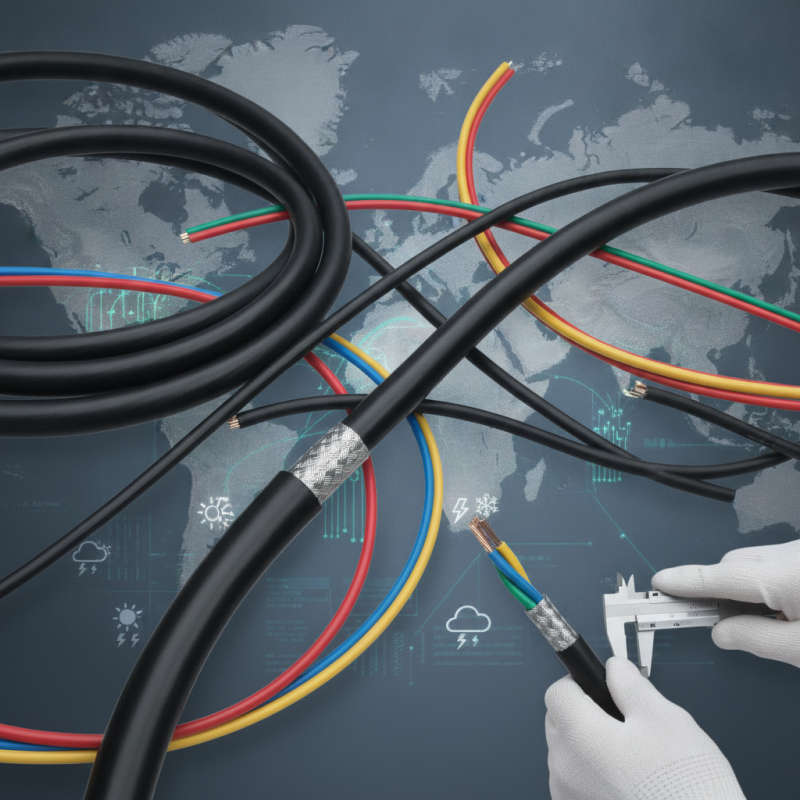
Insulated cables are pivotal in various global markets. They ensure electrical safety and efficiency. Quality insulation protects against short circuits and accidental contact. Different environments demand unique insulation materials. For example, harsh climates might require cables that withstand extreme temperatures.
When selecting insulated cables, buyers must consider several factors. The cable's voltage rating is essential. Additionally, the insulation type impacts durability and flexibility. Some materials resist moisture better than others. Buyers should research the specific needs of their projects. Consulting experts can provide valuable insights in this process.
Not every option will fit all requirements. Some may fall short in performance over time. Regular assessments of existing cables ensure ongoing reliability. Understanding limitations empowers buyers to make informed decisions. Striving for quality is crucial in achieving sustainable solutions for global demands.
When selecting insulated cables for various applications, it is crucial to consider essential features that enhance performance and safety. Insulation type is a primary factor. Various materials, such as PVC or XLPE, offer different levels of heat resistance and flexibility. Selecting the appropriate insulation material can significantly impact the overall longevity of the cable.
Tip: Always check the temperature rating of the insulation. Cables must withstand the specific heat conditions of your environment.
Another critical feature is the cable construction. Cables may consist of single or multiple conductors. Single conductor cables are suitable for straightforward applications, while multi-conductor cables are ideal for complex systems. Assessing your specific needs can guide your choice in this regard.
Tip: Pay attention to the cable’s diameter. A thicker cable may provide better conductivity but could be less flexible. Balance is key.
Consider the environment where the cables will be installed. Factors like moisture, chemicals, and physical stress can affect cable performance. Not all cables are suited for harsh conditions. Therefore, understanding the environment helps in making an informed decision.
Tip: Insulation should be chosen based on external conditions. For outdoor installations, UV-resistant cables are necessary.
As 2026 approaches, buyers need to consider their insulated cable options carefully. Different types of insulation materials provide varying levels of performance, durability, and safety. Common options include PVC, XLPE, and rubber. Each of these materials has distinct properties and applications. For instance, PVC cables are lightweight and cost-effective. However, they may not perform well in extreme temperatures.
When comparing brands, look for key factors such as thermal resistance, flexibility, and electromagnetic compatibility. Reliable data on these attributes can guide your purchase decisions. User feedback is also vital. It can reveal strengths and weaknesses that technical specifications might not show. Some brands may boast high performance but may lack in service support or product availability.
While brand reputation plays a role, potential buyers should not overlook emerging manufacturers. New companies often introduce innovative solutions at competitive prices. They may provide high-quality products that challenge established brands. Exploring these options can lead to surprising discoveries. However, due diligence is essential. Analyze reviews, warranties, and company histories to ensure you make informed choices. Making a list of priorities can also help clarify options. This process helps eliminate impulse buying and considers long-term needs.
Emerging technologies in cable insulation materials are creating exciting opportunities for global buyers. Innovations are focused on improving thermal performance and durability. Materials like cross-linked polyethylene (XLPE) are becoming popular due to their superior resistance to heat and moisture. Advanced composites are also being explored for their lightweight properties and enhanced insulation performance.
Tips: When selecting insulation materials, consider the operating environment. Factors like temperature fluctuations and exposure to chemicals are crucial. This would ensure a longer lifespan for the cables.
Another trend is the use of biodegradable materials for insulation. This eco-friendly approach addresses the increasing demand for sustainability. However, testing and certification of these materials are still in the early stages. Buyers should pay close attention to quality standards.
Tips: Always request detailed specifications from suppliers. Engage in discussions about the lifecycle of materials. This will provide deeper insights into their environmental impact. New technologies promise better performance, but understanding their limitations is essential.
When considering insulated cable options, global regulations play a crucial role. Different countries have distinct safety standards and requirements affecting cable performance. For instance, stringent environmental regulations in Europe emphasize the use of non-toxic materials. This impacts both the manufacturing process and the selection of insulation types.
In regions with extreme temperatures, insulation properties are vital. Buyers must evaluate if cables can withstand heat or cold without degrading. The compliance to local classifications ensures cables meet safety norms. Familiarity with these regulations is essential, especially for global buyers. Understanding local laws can be daunting and requires constant updates.
Not all materials perform equally across different environments. Some cables may excel in mild conditions but fail in harsher climates. This inconsistency calls for thorough testing and validation. As a result, buyers should seek expertise in navigating these complexities. Knowledgeable suppliers can provide insights on the best practices and compliance documentation. Balancing cost and quality while adhering to regulations remains a challenge in insulated cable selection.
| Cable Type | Insulation Material | Voltage Rating (kV) | Temperature Range (°C) | Global Compliance Standards |
|---|---|---|---|---|
| Power Cable | XLPE (Cross-linked Polyethylene) | 1-35 kV | -40 to 90 | IEC 60502, UL 44 |
| Control Cable | PVC (Polyvinyl Chloride) | 0.6-1 kV | -20 to 70 | UL 1277, AS/NZS 5000.1 |
| Instrumentation Cable | FEP (Fluorinated Ethylene Propylene) | 300/500 V | -60 to 200 | BS 5308, DIN 47100 |
| Flexible Cable | Rubber | 450/750 V | -15 to 60 | IEC 60227, BS 6004 |
: Common insulation types include PVC and XLPE. Each offers different heat resistance and flexibility.
Single conductor cables suit simple tasks. Multi-conductor cables work better for complex systems. Assess your needs.
The temperature rating ensures that the cable can withstand environmental heat conditions. This affects longevity.
Factors like moisture, chemicals, and physical stress play a big role. Not all cables suit harsh environments.
Select UV-resistant cables for outdoor use. This prevents degradation from sunlight exposure.
Biodegradable materials support sustainability, but they may still be under-tested. Quality standards are important.
Regulations vary between countries. Non-toxic materials are essential in some regions for safety compliance.
Local laws dictate safety standards and cable performance. Keeping up-to-date is essential for compliance.
Consider factors like temperature and chemical exposure when selecting insulation materials.
Balancing cost and quality while following regulations can be tricky. Thorough testing and expert advice are necessary.
The article "2026 Best Insulated Cable Options for Global Buyers" explores the critical aspects of insulated cables that are essential for international markets. It provides an overview of the various types of insulated cables available, highlighting their importance in ensuring safety and efficiency in electrical applications. Key features such as temperature ratings, material compositions, and environmental resistance are discussed to guide buyers in making informed selections.
Furthermore, the article presents a comparative analysis of the top insulated cable brands for 2026, emphasizing the innovations in cable insulation materials driven by emerging technologies. It also addresses the global regulations that affect the selection and use of insulated cables, ensuring that buyers understand compliance requirements. This comprehensive approach equips global buyers with the necessary knowledge to select the most suitable insulated cable options for their specific needs.

Laurence