In today's global market, the demand for high-quality conductor cables is rising significantly. According to a report by MarketsandMarkets, the global conductor cable market is projected to reach USD 202.3 billion by 2026, growing at a CAGR of 6.2% from 2021. This growth highlights the importance of choosing the best conductor cable for diverse applications.
Several factors influence buyer decisions, including material quality, conductivity, and application type. Copper and aluminum are the two most popular materials due to their efficiency and conductivity. Research from TechSci Research indicates that copper conductor cables dominate the market share, accounting for over 55% in various industrial sectors. However, the sustainability considerations around aluminum are gaining traction, making it a worthy alternative.
Selecting the right conductor cable can seem daunting. As buyers assess different products, they must weigh factors such as longevity, installation ease, and cost-effectiveness. Despite advancements, some cables may not meet high-performance standards, prompting careful evaluation. By prioritizing proven quality and expert recommendations, global buyers can make informed choices in this dynamic landscape.
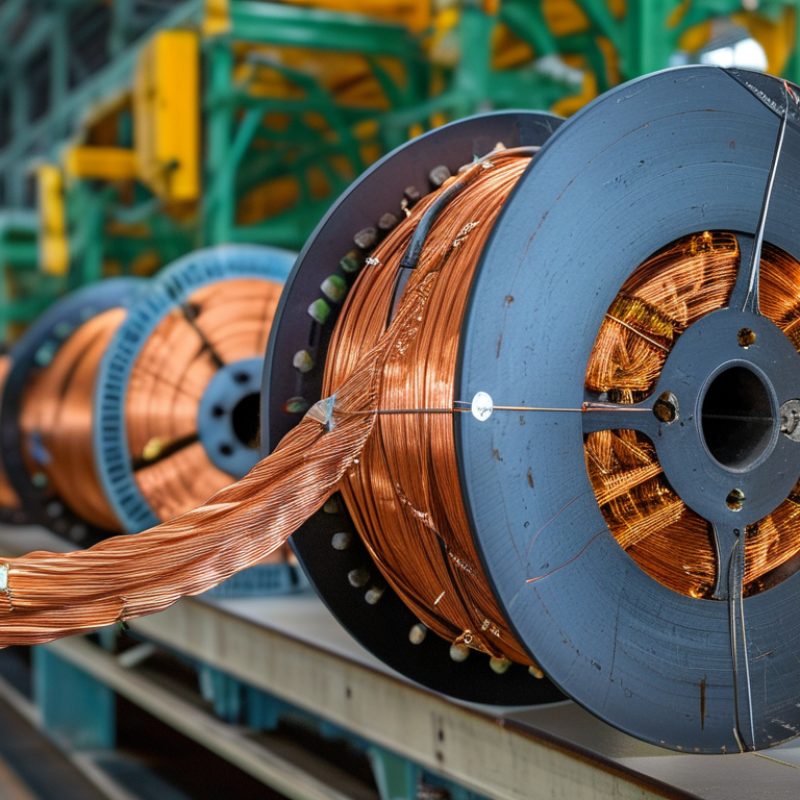
Choosing the right conductor cable for global markets involves numerous factors. One crucial aspect is the material used. Copper and aluminum are common choices. Each has distinct conductivity, weight, and cost implications. Copper offers better conductivity but is heavier and more expensive. Aluminum is lighter and less costly but has lower conductivity.
The cable's insulation type is also essential. Different environments require different insulation types. For instance, PVC insulation serves for indoor use, while XLPE is suitable for outdoor settings. Moreover, consider temperature ratings. High-temperature cables are necessary for specific industrial applications. Think about the cable's lifespan and its performance in extreme conditions, too.
Lastly, compliance with global standards cannot be overlooked. Certification ensures that materials meet safety and quality guidelines. Different regions have varying regulations, which can affect usability and market acceptance. Constantly evolving technology also affects product designs. This can lead to confusion if not properly monitored. Buyers should stay informed and adaptable. This proactive approach can reduce risk and increase reliability.
When selecting conductor cables, international buyers often prioritize certain types based on their unique requirements. One popular selection is aluminum conductor cables. These cables are lightweight and corrosion-resistant, making them ideal for various environments. However, they may not be the best choice for high-temperature applications. Understanding the specific needs for durability and conductivity is vital.
Another type often favored is copper conductor cables. Copper offers superior conductivity and is widely used in many industrial applications. Yet, its higher cost can be a drawback for some buyers. It's crucial to weigh the balance between performance and budget constraints. Interestingly, the demand for environmentally friendly options is rising. Buyers are beginning to explore recycled and sustainable materials, which can be both a responsible choice and cost-effective.
While there are several options available, each type of conductor cable has its own set of advantages and limitations. Buyers must reflect on their needs and the cable’s performance in real-world applications. Engaging with reputable suppliers who understand these nuances can significantly enhance the decision-making process.
The conductor cable market is evolving, driven by increasing demand across various sectors. Global investments in electrical infrastructure are on the rise. According to a recent report, the global conductor cable market is projected to reach around $38 billion by 2026. This significant growth reflects the importance of reliable power distribution systems.
Key manufacturers and brands in the conductor cable industry are located worldwide. Their influence is felt in sectors such as renewable energy and telecommunications. Companies often emphasize high standards in material quality and production techniques. Reports indicate that many manufacturers adhere to international safety and environmental regulations. This commitment ensures reliability and efficiency, but not every brand meets these standards consistently.
Despite advancements, challenges persist in the industry. Some manufacturers face issues with raw material quality, which can impact the final product. Additionally, varying regional regulations present hurdles for global cooperation. Buyers should remain vigilant when selecting brands. Researching a manufacturer’s track record is crucial. Quality assurance is paramount, but not all brands provide transparent information. Engaging with reputable industry reports can help buyers navigate these complexities effectively.
When selecting conductors for global markets, understanding regulatory standards is vital. Different regions impose specific requirements on conductor materials and designs. These standards ensure safety, reliability, and environmental compliance. Conductors must often meet rigorous testing criteria to gain market acceptance.
Compliance with international and local regulations enhances product credibility. Manufacturers should prioritize certifications that align with local market demands. This can be challenging; each region has unique compliance frameworks. It's crucial to navigate these complexities to avoid delays or legal issues. Many companies struggle with documentation, resulting in costly setbacks.
Moreover, environmental regulations are becoming stricter. Europe's RoHS Directive is a prime example, restricting harmful substances in electrical equipment. Non-compliance can lead to hefty fines and loss of market access. Continuous education about evolving regulatory landscapes is essential. Companies need a proactive approach to stay informed. Without this, they risk falling behind and facing potential market exit.
When exploring conductor cables, cost analysis plays a crucial role. The prices can vary widely based on materials, specifications, and applications. For international buyers, understanding these trends is vital for making informed purchasing decisions. In recent years, copper and aluminum cables have shown fluctuating costs due to market demand and supply chain disruptions.
Material choice greatly impacts pricing. Copper cables typically cost more due to their superior conductivity. However, aluminum is often preferred for its lightweight and cost-effectiveness. Regional factors also contribute to price variations. Import duties and transportation costs can inflate expenses for certain buyers.
Tips: Always check the raw material prices before committing to a purchase. Monitor global market trends regularly. This can help you predict price changes and plan purchases effectively.
Additionally, consider the total cost of ownership. Sometimes, opting for cheaper cables leads to higher maintenance costs. Investing in quality products can save money in the long run. Remember, the cheapest option is not always the best one. Take the time to evaluate all factors carefully.
: Buyers often prefer aluminum and copper conductor cables based on their unique requirements.
Aluminum cables are lightweight and corrosion-resistant, ideal for various environments, but not for high temperatures.
Copper offers superior conductivity, making it common in industrial applications, but it can be expensive.
Yes, buyers are increasingly exploring recycled and sustainable materials for conductor cables.
Manufacturers may encounter raw material quality issues and varying regional regulations that hinder global cooperation.
Compliance boosts product credibility and ensures safety and environmental protection, which are crucial for market acceptance.
Companies should prioritize certifications that fit local demands and stay educated on evolving regulatory requirements.
Non-compliance can lead to fines and loss of market access, making continuous education essential.
Yes, researching a manufacturer’s track record helps ensure quality and reliable products.
Not all manufacturers provide transparent information, which can complicate buyers' decision-making processes.
When selecting the best conductor cable for global markets, several critical factors need to be considered. These include the environmental conditions the cables will be exposed to, the specific applications for which they are intended, and the varying standards and regulations that apply in different countries. Understanding the types of conductor cables that appeal to international buyers is essential, as preferences can differ significantly based on regional requirements.
Additionally, a thorough cost analysis and awareness of pricing trends are vital for making informed purchasing decisions. The global market for conductor cables is influenced by competitive manufacturers and evolving technologies, making it crucial for buyers to stay updated on these dynamics. By carefully evaluating these aspects, global buyers can ensure they choose the most suitable conductor cable for their needs, thereby enhancing performance and compliance with international standards.

Laurence