2026 Top Control Cable Trends What You Need to Know?

Time:2026-05-22 Author:Sophia
0%

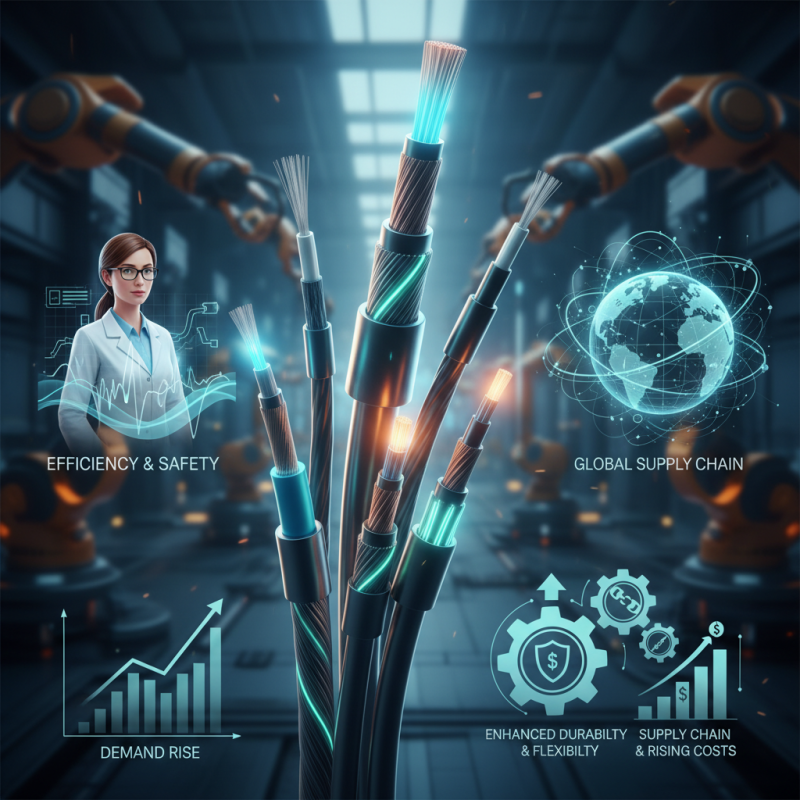
In the rapidly evolving world of control cable technology, staying updated is crucial. Industry expert Dr. Jane Thompson, a leading authority in cable engineering, emphasizes, “Innovation in control cables drives efficiency and safety.” As we approach 2026, understanding the latest trends in control cables will shape the future of numerous industries.

The demand for high-performance control cables continues to rise. Industries like manufacturing and construction rely heavily on these products. Factors such as advancements in materials and cable design are revolutionizing how we perceive control cables. Enhanced durability and flexibility are becoming standard expectations.

However, challenges persist. The market faces issues, including supply chain disruptions and rising raw material costs. Companies must adapt to these conditions. Reflections on these industry-wide challenges will help stakeholders make informed decisions. Embracing change will be vital for success in the coming years. Control cable trends are not just about technology; they reflect larger industry dynamics.
2026 Top Control Cable Trends What You Need to Know?

Emerging Technologies Impacting Control Cable Development in 2026

Emerging technologies are reshaping the control cable industry in 2026. Innovations in materials, such as advanced polymers, offer increased durability. These materials are lighter and resistant to environmental stressors. Improved insulation techniques enhance performance in harsh conditions. However, the integration of these materials requires careful consideration of production processes.

Wireless communication is also influencing control cable development. Companies are exploring hybrid systems that combine wired and wireless features. This allows greater flexibility in installation. Yet, balancing reliability and performance remains a challenge. Designers must ensure that these systems operate efficiently in diverse environments.

Sustainability is becoming a priority for manufacturers. Recycling and eco-friendly materials are gaining traction. However, the transition to sustainable practices is not straightforward. Costs can rise, and the supply chain may face disruptions. Stakeholders need to collaborate effectively to overcome these challenges. These evolving technologies promise a dynamic future for control cables.

2026 Top Control Cable Trends: Key Metrics

Key Market Drivers for Control Cables in the Next Few Years

As we approach 2026, the control cable industry is anticipated to grow significantly. According to a recent market analysis, the global control cable market is projected to reach USD 4.5 billion by 2026, with a compound annual growth rate (CAGR) of 5.2%. This growth is powered by rising demand from sectors such as automotive, aerospace, and industrial automation.

A major driver for this trend is the increased emphasis on automation across industries. Companies are investing heavily in advanced technologies that rely on efficient control systems. Additionally, the focus on sustainable practices is pushing manufacturers to develop eco-friendly control cables. In a study by ResearchAndMarkets, the demand for cables that reduce energy consumption is expected to rise by 30% over the next five years.

Furthermore, the expansion of smart cities is fueling the need for robust control systems. These systems require sophisticated cabling solutions to enhance connectivity and power distribution. However, challenges remain. Supply chain disruptions from the recent pandemic have highlighted weaknesses in production and distribution. Addressing these issues is crucial for meeting the increasing demands of modern applications.

Sustainability Trends Shaping Control Cable Manufacturing Practices

Sustainability is becoming a crucial factor in control cable manufacturing. Companies are actively seeking eco-friendly materials. Reports from industry experts indicate that over 40% of manufacturers aim to adopt sustainable practices by 2026. This transition is driven by both consumer demand and regulatory pressures.

Many manufacturers are exploring alternative materials. Bioplastics are now being used in cable insulation. These materials offer similar performance while significantly reducing environmental impact. Additionally, companies are investing in energy-efficient processes. A study showed that manufacturers could cut energy consumption by 30% through modernized production techniques.

Despite these advancements, challenges remain. Some manufacturers report high costs associated with sustainable materials. Furthermore, not all eco-friendly options meet the rigorous quality standards required for control cables. This creates a dilemma that needs careful consideration. Balancing sustainability with performance is essential for future industry growth.

Advancements in Materials and Their Effect on Control Cable Performance

The advancements in materials for control cables are revolutionizing industry standards. New composite materials are lighter and stronger. These changes enhance flexibility without sacrificing durability. Improved insulation materials are crucial. They protect cables from environmental factors like moisture and temperature extremes. A robust insulation layer maximizes reliability in demanding applications.

However, not all developments are flawless. Some new materials may face issues with compatibility during installation. It is vital to test compatibility with existing systems. The performance of control cables can also vary based on manufacturing processes. Variability in production can impact overall quality. This emphasizes the need for strict quality control measures.

Designers and engineers should stay updated on these material advancements. Understanding the properties of each material guides informed decisions. Awareness of potential pitfalls in material selection can prevent unpleasant surprises in performance. While progress is substantial, continuous evaluation is essential for long-term success.

Future Applications: Where Control Cables are Heading by 2026

As we approach 2026, the control cable industry is witnessing significant shifts. According to a report by MarketsandMarkets, the global control cable market is expected to reach $7.5 billion by 2026. This growth is driven by the increasing demand in automation and smart technology.

Future applications of control cables are expanding beyond traditional industries. The automotive sector, for instance, is integrating control cables into electric and autonomous vehicles. A recent study highlighted that nearly 30% of cars on the road could be electric by 2030. Control cables will play a crucial role in these vehicles, enabling connectivity and control systems.

However, challenges remain. The complexity of modern technology can lead to compatibility issues. With the rise of IoT, a lack of standardization in control cables poses a risk. It is essential for manufacturers to address these concerns while focusing on innovation. Sustainable materials are also becoming a priority. The industry must balance performance requirements with environmental responsibilities. As we look at 2026, a thoughtful approach is needed to navigate these evolving trends.

FAQS

: What are the key emerging technologies affecting control cable development in 2026?

: Advanced polymers enhance durability. Improved insulation techniques boost performance. Wireless communication systems are also influential.

How do advanced polymers benefit control cables?

They are lighter and more resistant to environmental stressors. However, integration requires careful production process management.

What challenges arise from using hybrid wired and wireless systems?

Balancing reliability and performance is difficult. Designers must ensure efficiency in varied environments.

Why is sustainability important in control cable manufacturing?

Manufacturers are increasingly focused on eco-friendly materials. Consumer demand and regulatory pressures drive this trend.

How can switching to sustainable practices impact costs?

Transitioning may raise costs initially. Stakeholders must work together to manage these challenges effectively.

What materials are manufacturers exploring for eco-friendliness?

Bioplastics are used for insulation. They lower environmental impact but require careful quality evaluation.

What trends are driving the control cable market growth by 2026?

Increased automation and smart cities technology are key drivers. There is a rising demand for efficient control systems.

What are some challenges facing the control cable industry?

Supply chain disruptions have exposed production weaknesses. Responding to such issues is critical to meet modern demands.

How much energy can manufacturers save with new production methods?

Modernized processes can reduce energy consumption by up to 30%, which is significant for sustainability goals.

What dilemmas do manufacturers face regarding sustainable materials?

High costs and varying quality standards complicate the transition. Balancing performance and sustainability is a major concern.

Conclusion

The article "2026 Top Control Cable Trends What You Need to Know" explores the upcoming developments and shifts in the control cable industry. Key emerging technologies are poised to significantly influence control cable development in 2026, driving innovation and performance enhancements. Additionally, the article highlights the critical market drivers anticipated in the next few years, which will shape demand and application areas for control cables.

Sustainability is becoming a central theme in manufacturing practices, with an increasing emphasis on eco-friendly materials and processes. Furthermore, advancements in materials are expected to enhance the performance and durability of control cables, allowing for broader applications in various sectors. Overall, the future of control cables looks promising, with transformative trends and technologies paving the way for new opportunities by 2026.

Sophia

Sophia

Sophia is a dedicated marketing professional with an exceptional depth of knowledge about her company's products and services. With a keen understanding of market trends and customer needs, she crafts insightful blog posts that not only inform but also engage readers, enriching the company’s online......