In the fast-paced world of electrical components, selecting the right electrical cable is crucial for importers. The variety of cables available can be overwhelming. This guide aims to simplify the buying process, focusing on essential factors. Quality and safety standards should never be compromised. Importers need reliable resources to make informed decisions.
One must consider several elements. First, understanding the specific requirements of your projects is fundamental. Different cables serve distinct purposes. There is no one-size-fits-all solution. Knowledge of materials like copper and fiber optic is also vital. Each type offers unique benefits and drawbacks.
With 2026 approaching, market trends may shift. Staying updated is essential to remain competitive. Importers might find challenges in sourcing. This guide aims to address these pain points and provide clarity. The goal is to empower decisions that lead to successful outcomes in the electrical cable market.
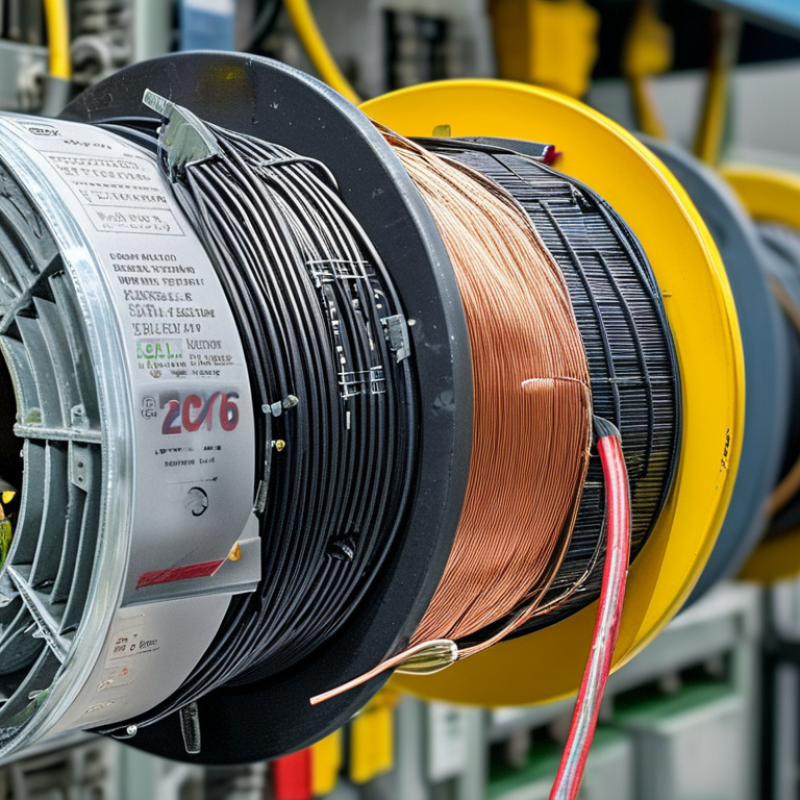
Understanding the various types of electrical cables is crucial for global importers. Different applications require specific types of cables, each with unique properties. For example, copper cables are favored for their high conductivity. Reports indicate that copper cables account for nearly 70% of the global market.
There are also significant differences in insulation types. PVC-insulated cables are popular due to their versatility and cost-effectiveness. However, they may not withstand extreme temperatures. XLPE cables, known for their superior thermal resistance, hold about 25% of the market share. Knowing your project's requirements can guide cable selection and impact overall performance.
It's worth noting that standards vary across regions. Compliance with local electrical codes is vital, but these codes can be complex. International regulations also evolve, impacting import strategies. Importers should stay updated on changes to avoid costly mistakes. Industry reports suggest that a lack of awareness about these factors often leads to delays and increased costs.
When purchasing electrical cables, it is essential to focus on key specifications. The gauge of the wire, for instance, influences the amount of current that can safely pass through. Generally, a lower gauge number indicates thicker wire. This thickness affects the overall performance and safety of the installation.
The insulation type is another significant factor. Different environmental conditions require varying types of insulation material. For instance, in wet environments, cables must have a waterproof rating. Buyers should consider the voltage rating as well, which ensures the cable can handle the required electrical load without overheating.
Tips for buyers: Always check the manufacturer's specifications for compliance with safety standards. Getting cables without proper certifications can be risky. Another point to consider is the length of the cable. Longer lengths can lead to voltage drops, affecting the energy efficiency of your setup. Sometimes, buyers overestimate or underestimate the required length. Measure accurately to avoid wastage.
When importing electrical cables, adhering to regulatory standards is crucial. International standards ensure safety and performance. For instance, the International Electrotechnical Commission (IEC) sets global benchmarks for electrical products. In 2021, over 60% of electrical cable imports were compliant with IEC standards, highlighting their importance.
Certifications like UL and CE indicate conformity to safety norms. A 2022 report noted that 75% of industries prioritize these certifications when selecting suppliers. However, not all manufacturers comply consistently. Challenges include insufficient quality control and lack of awareness about regulations among some producers.
Understanding these requirements can be overwhelming. Some importers might underestimate the time needed for compliance. In practice, delays in certification processes can impact supply chain efficiency. Prioritizing regulatory adherence is not merely a box-ticking exercise; it is essential for ensuring product safety and reliability in the global market.
| Cable Type | Application | Voltage Rating | Regulatory Standards | Certifications |
|---|---|---|---|---|
| THHN | Building Wiring | 600V | NEC, UL | CSA, ISO 9001 |
| MC Cable | Indoor Electrical Systems | 600V | NEC, UL | ETL, CE |
| PVC Insulated Cable | General Use | 300/500V | BS 6004 | RoHS, REACH |
| Low Smoke Halogen-Free Cable | Public Transport | 750V | IEC 60332 | VDE, NFPA |
| Control Cable | Industrial Automation | 300/500V | IEC 60227 | CCC, UL |
Sourcing electrical cables requires careful planning and an understanding of various factors. Importers should begin by identifying reliable suppliers from regions known for producing quality cables. Look for manufacturers with established credentials and positive reviews. Conducting small pilot orders can help evaluate suppliers' product quality and service reliability.
When analyzing costs, consider not just the price per unit but also shipping fees and import taxes. These expenses can significantly affect your overall budget. It’s wise to compare multiple suppliers to assess price variations. Additionally, ensure that your selected cables meet international safety standards. This step is crucial to avoid potential compliance issues in your target market.
Building strong relationships with suppliers is key. Regular communication can foster trust and cooperation. However, some challenges can arise, such as delays in production or shipping. These situations may disrupt your plans, requiring you to remain adaptable. Keeping an eye on market trends can also provide insights into new opportunities or potential risks in the electrical cable sector.
Buying electrical cables involves understanding various cost factors. Importers need to consider material, length, and gauge. The choice of material greatly influences the price. For instance, copper cables are often more expensive than aluminum. Data from industry reports show that copper prices can fluctuate significantly, impacting overall costs.
Budgeting for electrical cable purchases requires careful planning. Importers may find it helpful to analyze historical pricing trends. Recent reports indicate that prices for electrical cables have risen by approximately 10% in the past year. This increase can be attributed to supply chain disruptions and raw material shortages. Ideally, importers should maintain a contingency budget for unexpected price hikes.
Quality is another vital factor. Cheaper cables might save costs upfront but can lead to higher long-term expenses due to reliability issues. Research indicates that using low-quality cables can increase failure rates by as much as 20%. Importers should weigh short-term savings against potential long-term consequences. Balancing cost with reliability is key in this sector.
: Copper cables are the most popular due to high conductivity. They represent around 70% of the global market.
Different insulation types affect cable durability. PVC is versatile but may fail in extreme temperatures. XLPE offers better thermal resistance.
Compliance with local codes is essential. These rules can be complex, and failing to adhere can cause costly delays.
Look for certifications like UL and CE. These indicate adherence to safety standards and are valued by many industries.
Material type, length, and gauge are key. Copper is generally more expensive than aluminum, impacting overall costs.
Recent price increases have been around 10% due to supply chain issues. Contingency budgets are crucial for unforeseen expenses.
Cheaper cables might seem cost-effective but can increase failure rates. Low quality often leads to higher expenses down the line.
Many manufacturers struggle with quality control and lack of awareness of regulations. This inconsistency can lead to compliance issues.
Underestimating certification timelines can disrupt supply chains. It’s not just paperwork; timely compliance is vital for market success.
The "2026 Best Electrical Cable Buying Guide for Global Importers" provides essential insights for successfully sourcing electrical cables. It begins with an overview of the various types of electrical cables available for import, highlighting their distinct applications and advantages. Understanding these differences is crucial for making informed purchasing decisions.
The guide also emphasizes key specifications, such as voltage rating, insulation type, and conductor material, which are vital to ensure compliance with regulatory standards and certifications. Additionally, it outlines effective sourcing strategies to connect with reliable suppliers globally, as well as various cost factors and budgeting tips that can help importers manage their expenses efficiently. This comprehensive approach aims to equip importers with the necessary knowledge to navigate the electrical cable market effectively.

Laurence